Sustainability
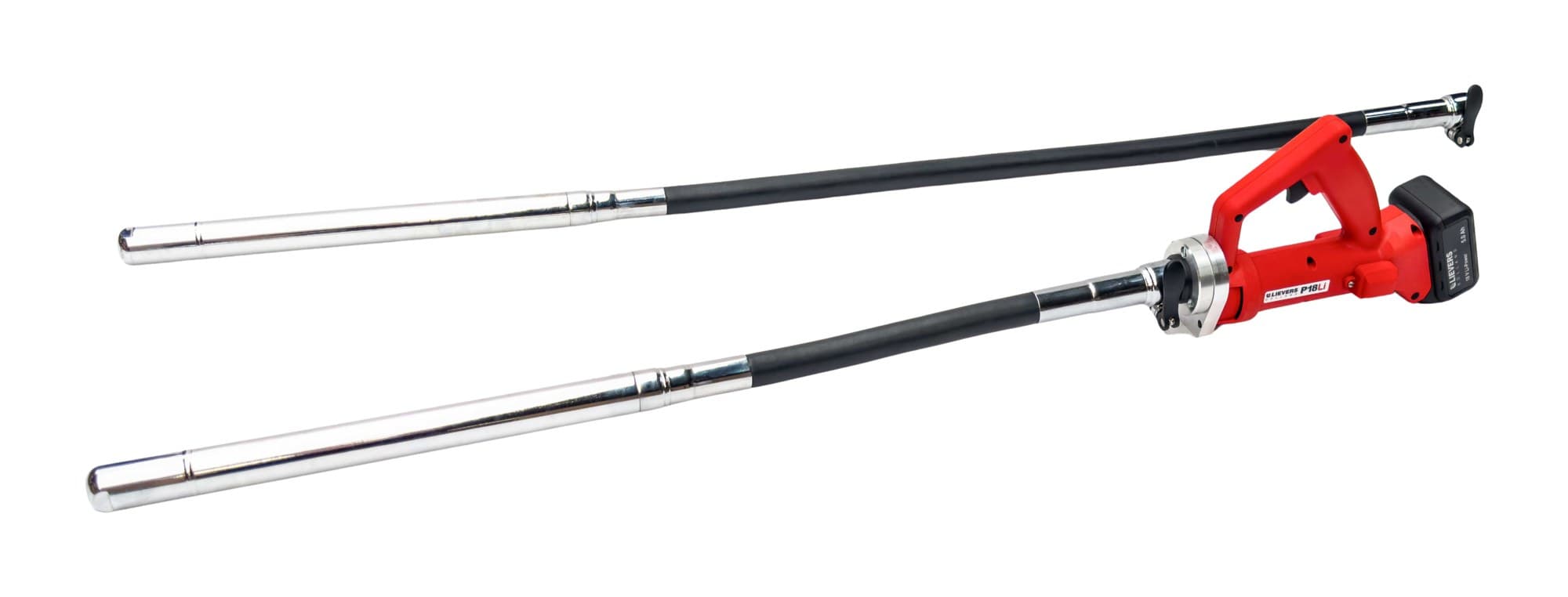
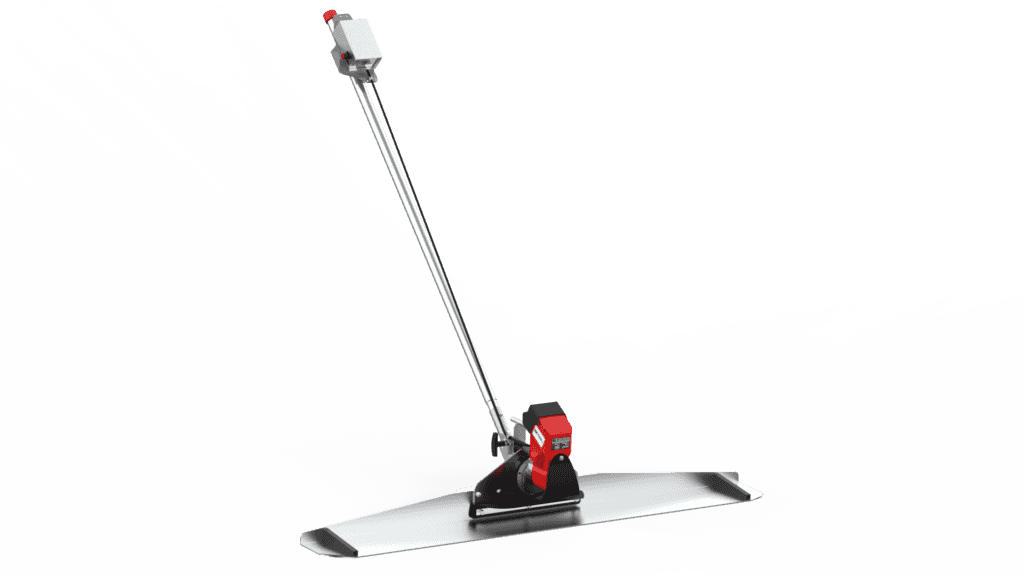
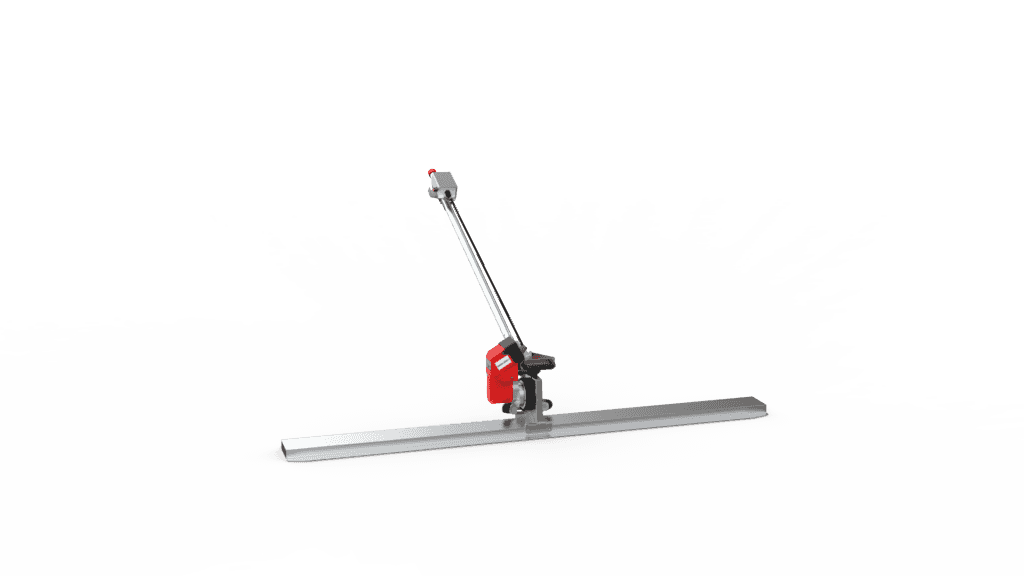
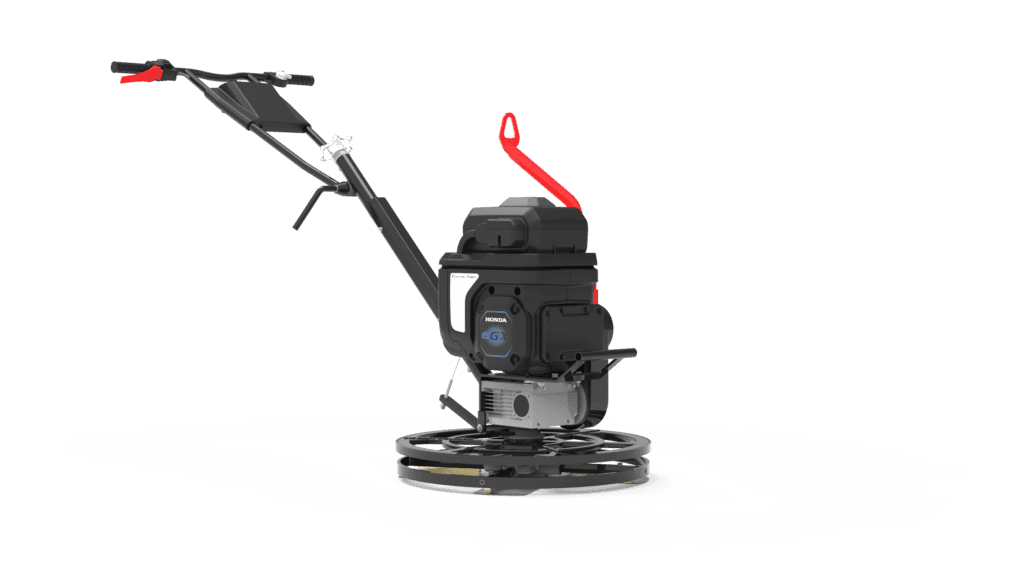
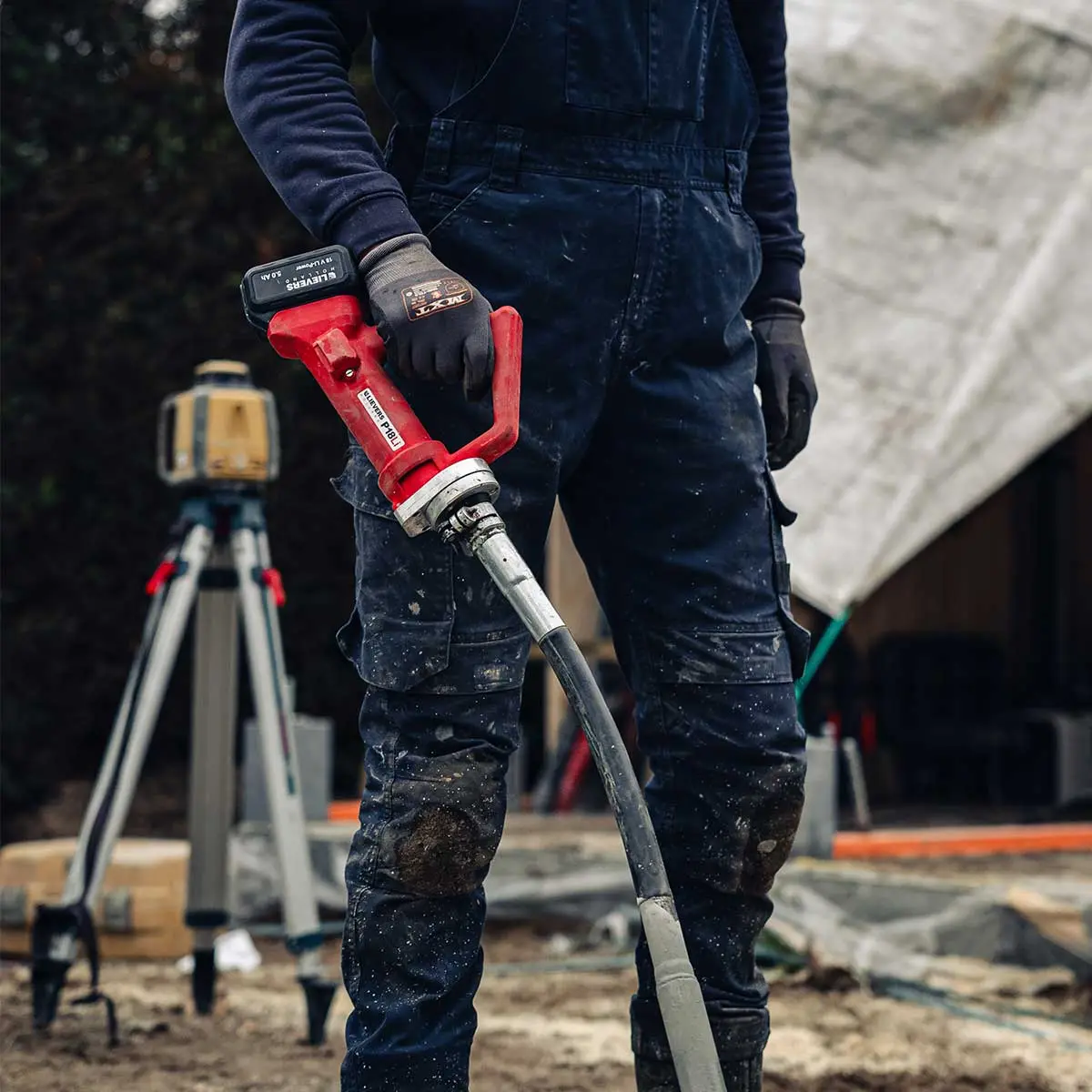
To work concrete indoors without fumes, replace petrol and diesel tools with emission-free equipment: compact with a battery poker vibrator, level with a battery wet screed, and finish with a battery power trowel. These tools produce no carbon monoxide or exhaust, so an enclosed slab can be poured and finished safely without filling the space with dangerous engine gases. Where sparks are also a risk, an air-driven (pneumatic) power float adds a spark-free option.
Petrol and diesel engines power a lot of concrete equipment, but they all share one problem: they burn fuel, and burning fuel produces exhaust. That exhaust contains carbon monoxide (CO) — a colourless, odourless gas that you cannot see or smell and that can cause headaches, dizziness, collapse and, at high enough concentration, death. In an open field the fumes disperse. In an enclosed space — a basement, a tunnel, a tank, a parking deck, a plant room, a partially finished building — they build up fast.
The common assumption is that opening a door or running a fan solves it. It often does not. Ventilation reduces the concentration but rarely clears it reliably, dead spots and low corners trap heavier-than-air components, and a single engine at full load in a confined room can overwhelm the airflow before anyone notices. The safest approach to an indoor pour is simple: keep combustion engines out of the enclosed space entirely.
Lievers builds a full battery-powered and air-driven range in Mijdrecht, the Netherlands, and has manufactured concrete compaction and finishing machinery there since 1954 — so the emission-free workflow below reflects how we recommend equipping an indoor slab.
Two tool types let you work concrete with no exhaust at all:
Both approaches remove carbon monoxide from the equation, which is exactly what an enclosed pour needs.
Noise and dust. Removing the engine already cuts noise sharply — a battery poker or an air float runs far quieter than a combustion unit, which matters in a room where sound has nowhere to go. Enclosed spaces also concentrate dust, so keep hearing and eye protection on and manage airborne dust as you would on any confined-space job.
Charging and spare batteries. Battery tools are only as good as their charge. Keep the charger outside the enclosed space, rotate a set of spare packs so a fresh battery is always ready, and never run a poker on a nearly flat pack — a slow-turning head delivers weaker vibration and poorer compaction. A quick-charging system keeps a small crew supplied through a continuous pour.
When air beats battery. Battery tools are the simplest emission-free choice for most indoor work. But in a genuine explosion-risk atmosphere — where flammable gas, vapour or dust may be present — a spark-free air motor is the safer drive, because it cannot produce an ignition source. In those zones, favour a pneumatic float and keep the compressor well outside the hazardous area.
You do not have to accept engine fumes to work concrete indoors. Compact with a battery poker, level with a battery wet screed and finish with a battery trowel, and reach for an air-driven float where sparks are a hazard. The slab gets poured, consolidated and finished to the same standard — with no carbon monoxide and no exhaust in the enclosed space.
Free advice
Our engineers in Mijdrecht think along about machine choice, concrete and planning — answer within one working day.
About the author
Lievers Holland has designed and manufactured concrete compaction and finishing machinery in Mijdrecht, the Netherlands, since 1954. Our guides are written by the same engineering team that builds the machines.
You should not. Petrol (and diesel) engines produce carbon monoxide and other exhaust gases, and carbon monoxide is a colourless, odourless gas that can cause dizziness, collapse and death as it builds up. In an enclosed or indoor space the fumes accumulate quickly, and ventilation alone often cannot clear them reliably. For indoor work, use emission-free battery-electric or air-driven equipment instead of a combustion engine.
Use a battery-powered poker (immersion) vibrator such as the Lievers P18Li, which produces no exhaust. Insert the running head vertically into the fresh pour, hold it until the air bubbles stop rising, withdraw slowly, and repeat about every 50 cm so the vibrated zones overlap. Because it is cordless and emission-free, you can work anywhere indoors without a combustion engine in the room.
Emission-free tools that produce no exhaust: battery-electric pokers, wet screeds and power trowels (for example the Lievers P18Li poker, K150Li and HAL200Li screeds and LTM eGX trowel), and air-driven pneumatic floats such as the Lievers LAP-45. Battery tools suit most indoor jobs; an air-driven, spark-free float is preferable where there is also an explosion or fire risk.
Yes. Removing the combustion engine removes its main source of noise, so battery tools run noticeably quieter than petrol-driven equivalents. That is a real benefit in enclosed spaces, where sound reflects off walls and has nowhere to disperse. You still need hearing protection, but the overall noise level and operator fatigue are lower.
In atmospheres where flammable gas, vapour or dust may be present, favour an air-driven (pneumatic) tool such as the Lievers LAP-45 power float. Its air motor produces no spark, so it cannot create an ignition source, and it produces no exhaust. Keep the compressor outside the hazardous zone so only clean compressed air enters the enclosed space.
Usually not. Ventilation lowers the concentration of exhaust gases but rarely clears carbon monoxide reliably from an enclosed space — dead spots and low corners trap gas, and a single engine at full load can overwhelm the airflow before anyone notices symptoms. The safe approach is to keep combustion engines out of the enclosed area and use emission-free battery or air-driven tools.
 Guide
GuideA buyer's guide comparing battery, petrol and mains-electric concrete equipment — what's driving the shift to cordless, where battery wins, where petrol or high-frequency mains still make sense, and how to choose by jobsite scenario.
Read articleExplainerA plain-language guide to zero-emission and emission-free construction zones: what they are, why they are spreading, which equipment qualifies, and how a concrete crew can prepare with battery-electric machines.
Read article