

Machines
Machines for levelling and compacting screeds and floors.
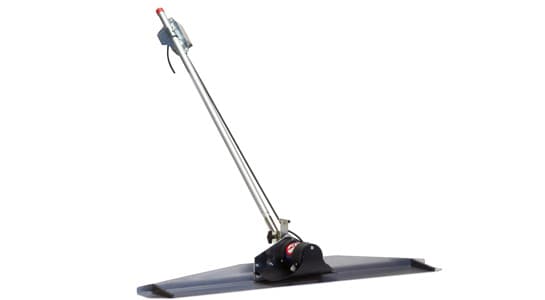
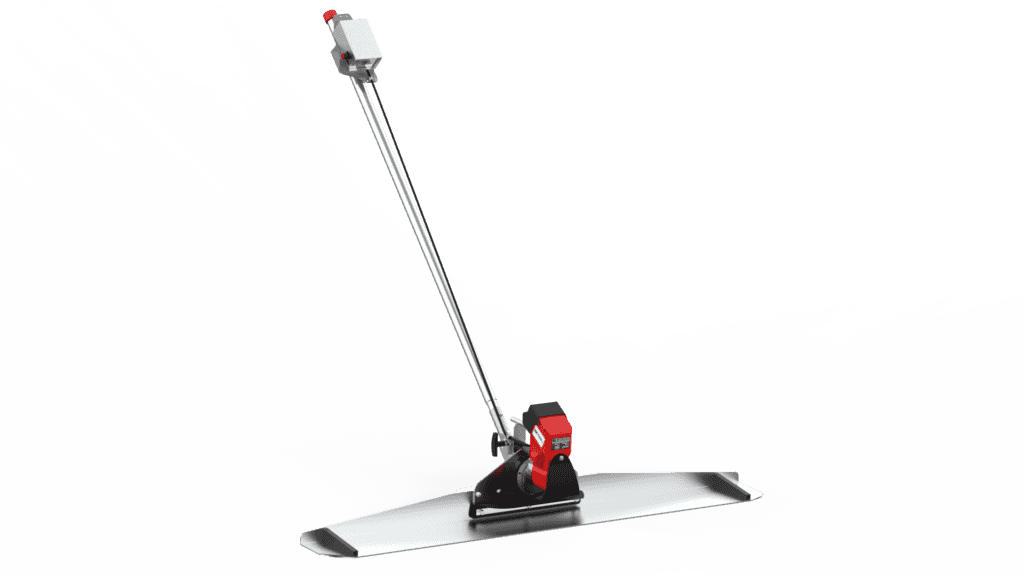
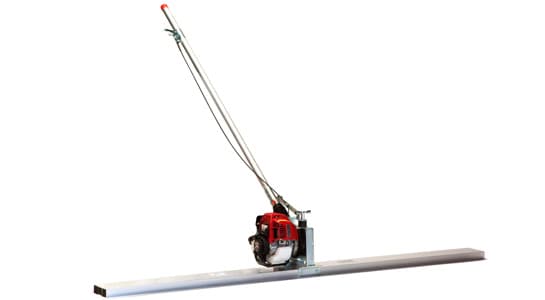
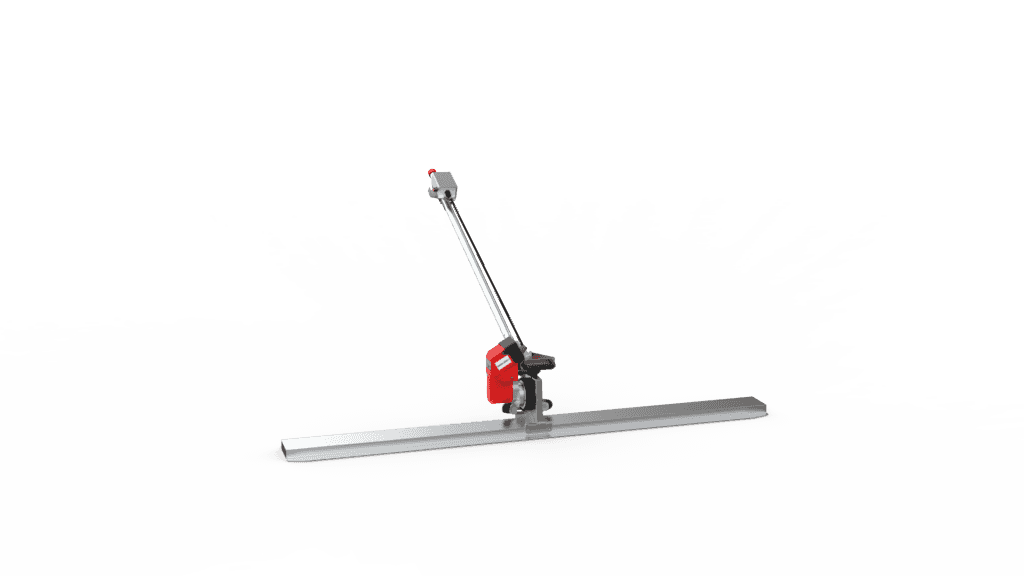
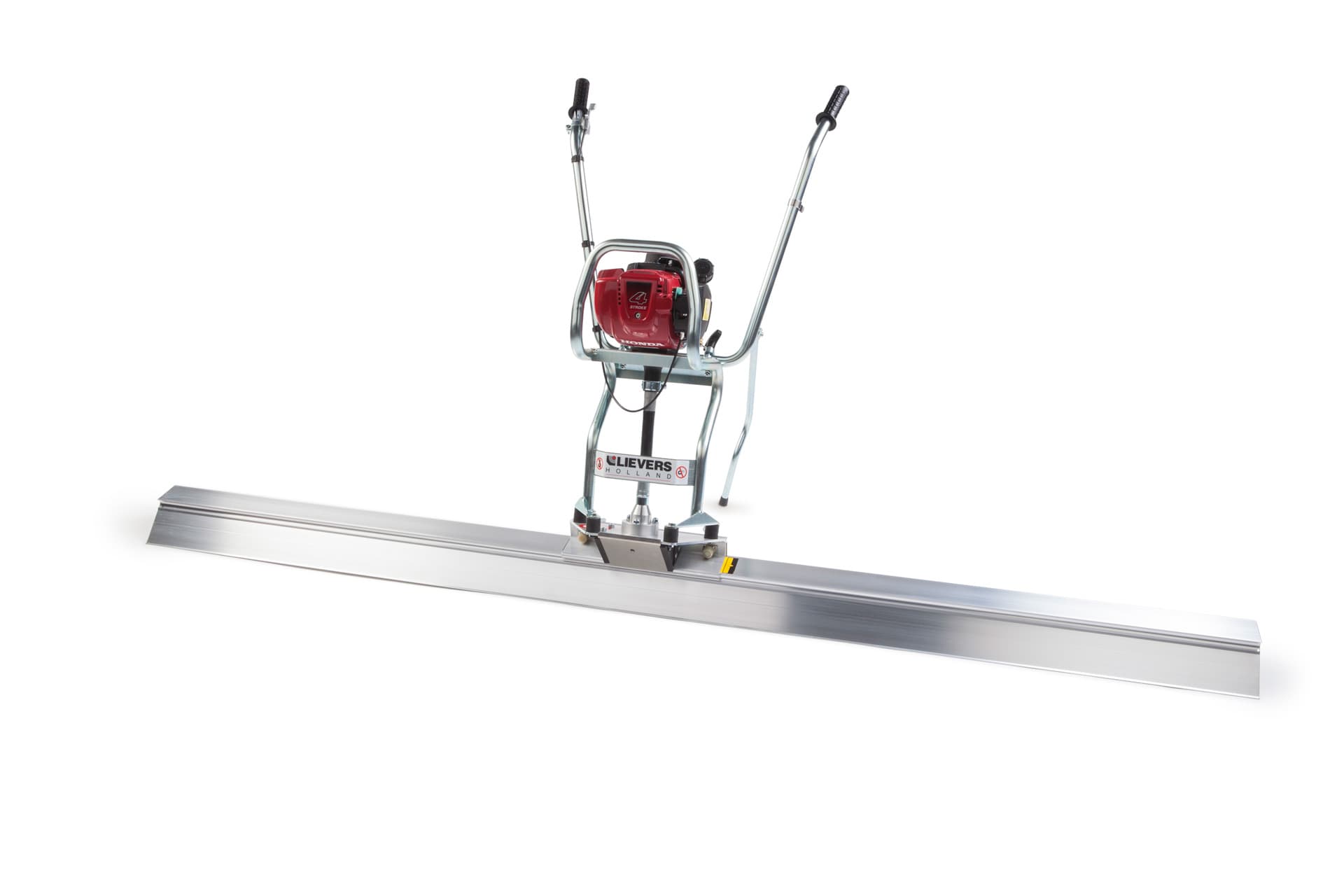
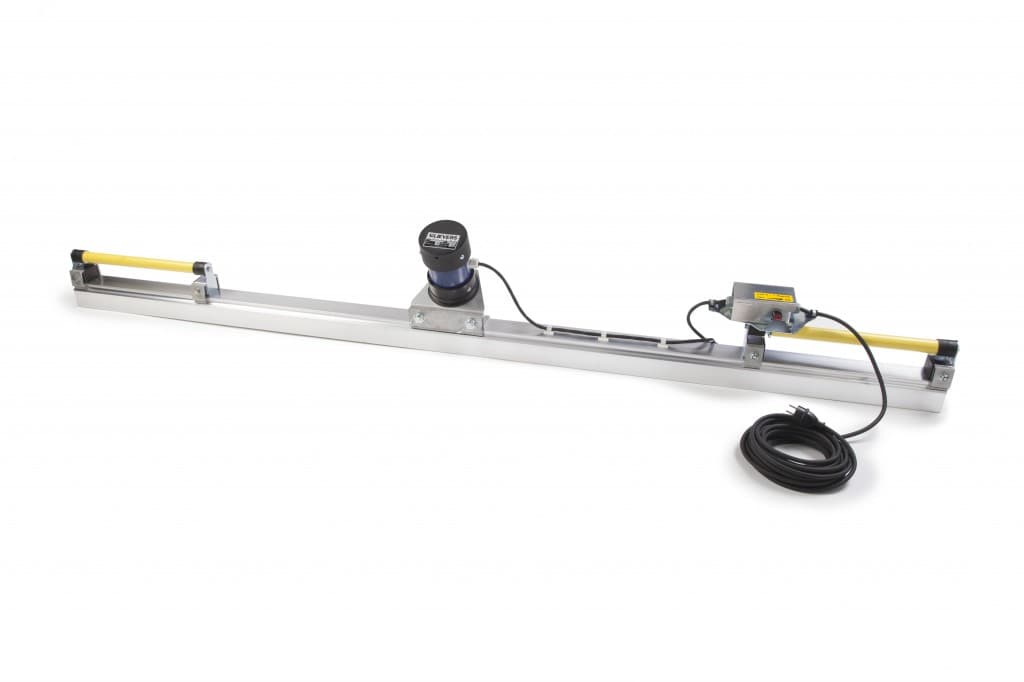
A vibrating screed — also called a power screed or screed machine — levels and compacts the top layer of fresh concrete in one pass. Where a straight edge only levels, a vibrating screed also densifies the surface, closing it for finishing and reducing hand work behind it. Vibration frequencies across the range run from 8,500 up to 12,000 vibrations per minute on the corded K-150 and HAL 200, and 2,500–7,000 vibrations per minute on the battery-powered K150Li and HAL200Li.
Lievers wet screeds are light enough for one operator, with vibration tuned to flatten and close the surface without over-working the mix. Aluminium profiles in multiple lengths cover everything from corridors to full slabs, and quick-change blades keep one drive unit working across jobs. The K-150 and HAL 200 work at up to 11,000–12,000 vibrations per minute from a 9–17 kg drive unit on a 1.5–2.0 m working width, while the cordless K150Li and HAL200Li run an 18V 750W motor for 30–50 minutes per charge. DUOSCREED and Prefab Easy Screed beams are available in lengths from 1.5 m up to 6.0 m.
A screeded floor is the base for trowelling. Pair a wet screed with a Lievers power trowel and the surface goes from poured to finished with machines that are matched in output — one crew, one line of equipment, no gaps in the process.
A vibrating screed is a machine with a vibrating blade or profile that is pulled over fresh concrete. It levels the surface and compacts the top layer at the same time, producing a flat, closed floor ready for trowel finishing. Lievers wet screeds vibrate at up to 11,000–12,000 vibrations per minute.
A wet screed is a light, one-operator machine for floors and slabs of normal width. Vibrating beams are wider truss or double-beam systems for large surfaces and road work, often guided on rails or forms. Wet screeds like the K-150 and HAL 200 cover working widths of 1.5–2.0 m for a single operator.
Yes, for most industrial and residential floors. Screeding levels and closes the surface; power trowelling afterwards gives the floor its final hardness, flatness and wear resistance.