

Machines
Walk-behind and ride-on trowels for finishing floors.
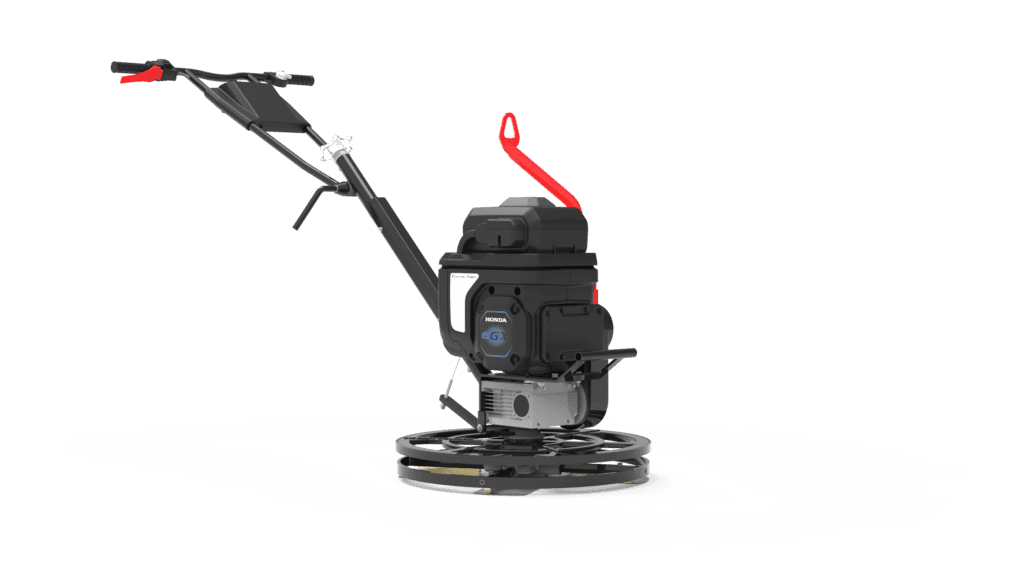
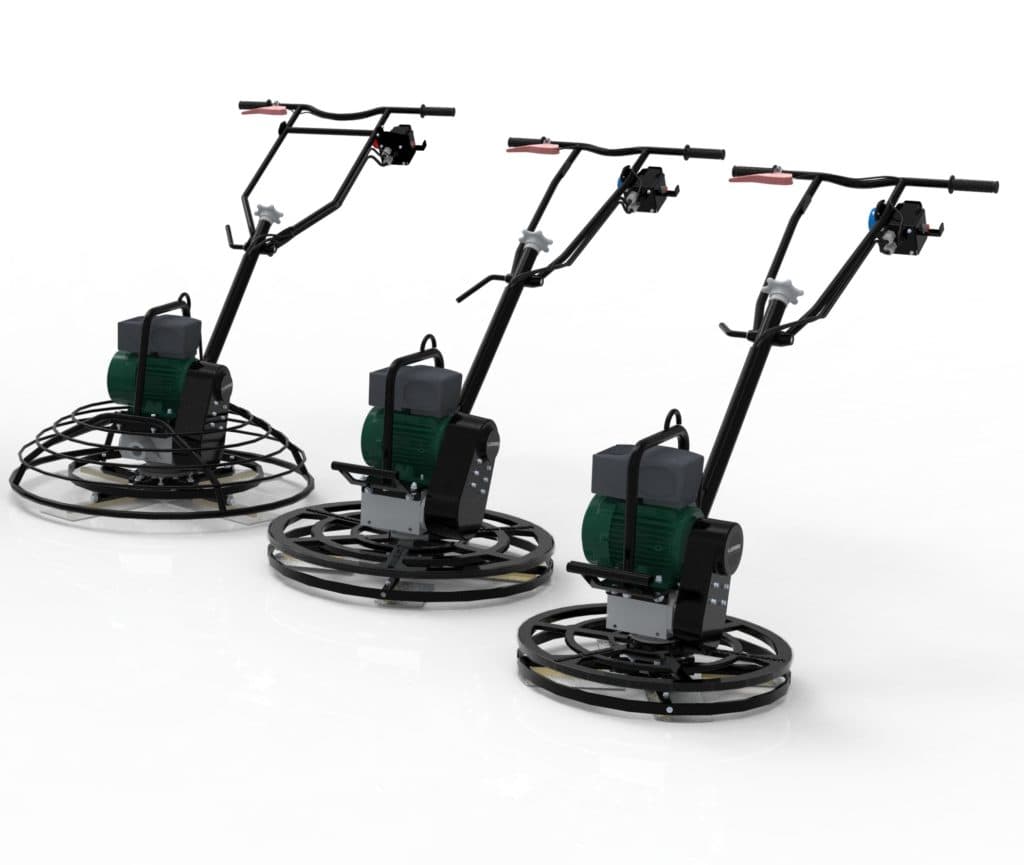
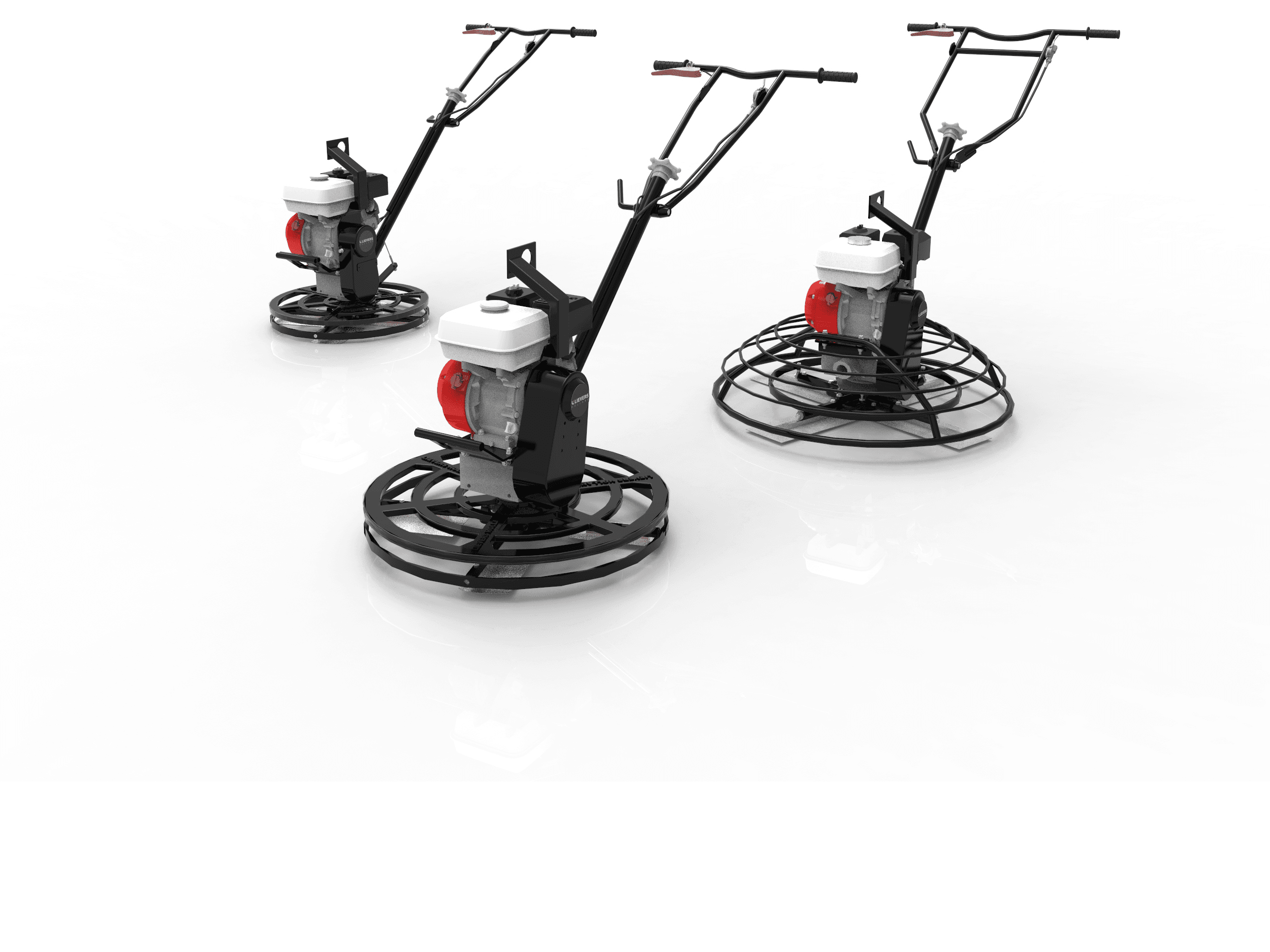
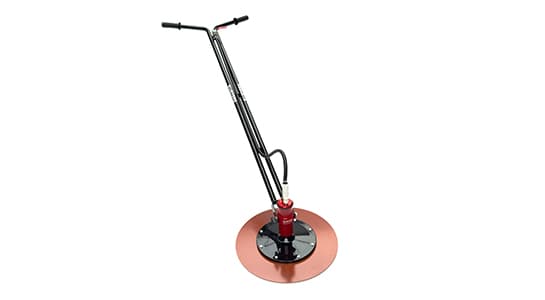
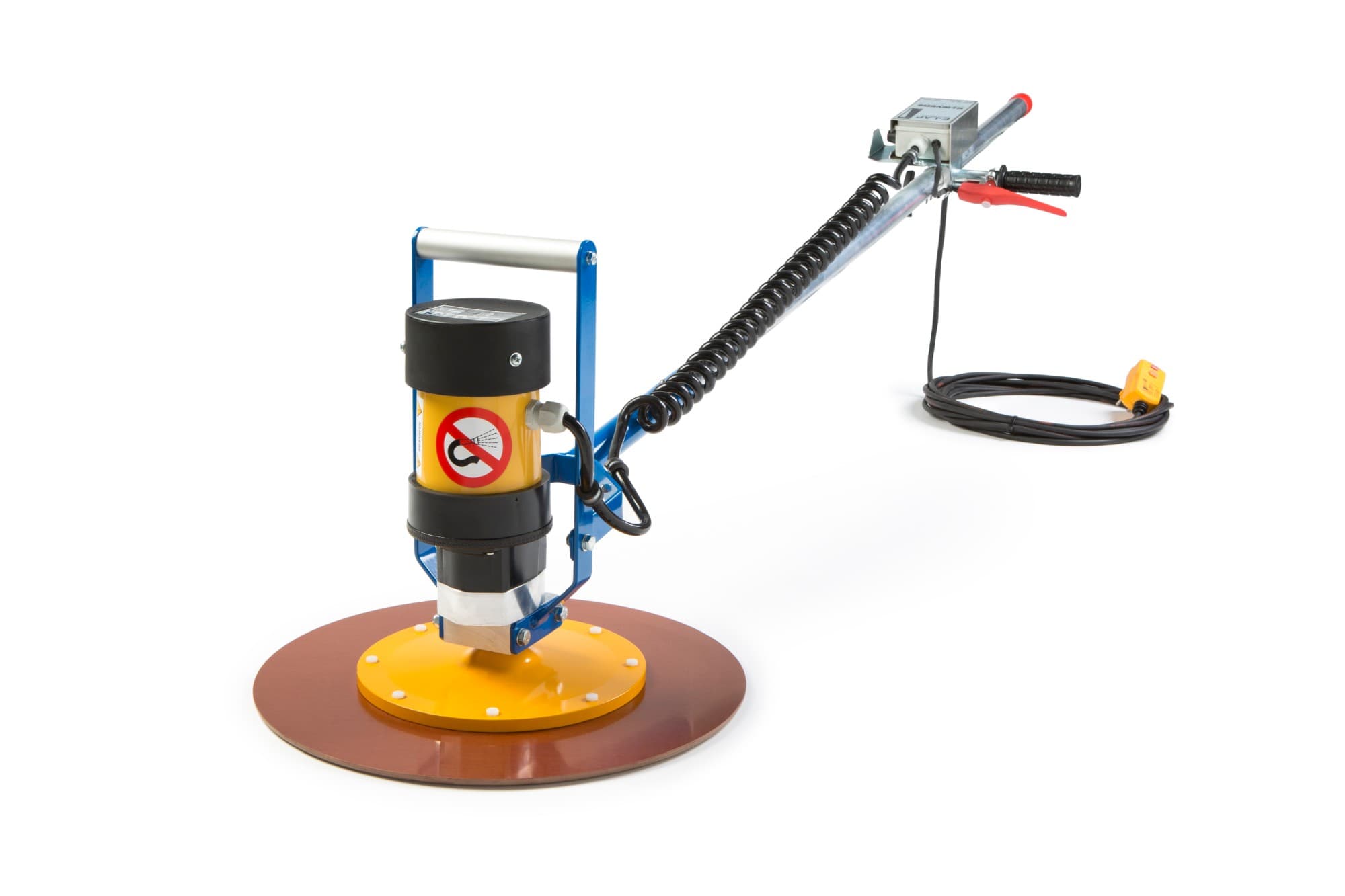
A power float — also called a power trowel — gives a concrete floor its final flat, dense, wear-resistant surface. Rotating blades work the cured-enough surface in stages: first floating it open, then trowelling it closed to a hard, smooth finish that hand trowelling cannot achieve over any real area. Disc diameters across the range run from Ø450 mm hand-held trowels up to Ø900 mm walk-behind machines.
Lievers power trowels cover residential floors to industrial slabs. Electric models run clean and quiet — pourable indoors, in basements and food or pharma halls without fume worries. Petrol models bring the power and runtime for large open pours. Blade and pan options adapt one machine from floating to final finish. Electric LTM-ER models spin at 65–130 rpm on Ø600–900 mm discs (61–86 kg), while the cordless LTM-eGX runs the same discs from a 72V, 720 Wh battery pack. Petrol LTM-B trowels use Honda GX-160/GX-200 engines at 40–140 rpm.
Timing decides the finish. The floor is ready when a footprint leaves only a few millimetres' impression — float too early and you tear the surface, too late and the blades cannot close it. Work in passes, increasing blade pitch as the floor hardens. Hand-held finishing trowels like the E-LAP450N run 160–300 rpm on Ø300–550 mm discs for tight passes and edges.
A power float (power trowel) is a machine with rotating blades that floats and trowels fresh concrete once it has stiffened. It produces a flat, dense, smooth floor surface with far better wear resistance than hand finishing. Lievers walk-behind trowels cover Ø600–900 mm discs.
When a boot print leaves only a 3–5 mm impression — typically a few hours after pouring, depending on mix and weather. Start with floating passes at a flat blade angle, then trowel with increasing pitch as the surface hardens.
Electric for indoor floors, basements and enclosed halls — no fumes, less noise, low maintenance. Petrol for large outdoor slabs and sites without power. The finishing result is equivalent; the environment decides. Electric LTM-ER models deliver 1.5–2.2 kW at 65–130 rpm; petrol LTM-B versions use Honda GX-160/GX-200 engines at 40–140 rpm, and the cordless LTM-eGX runs on a 72V/720 Wh battery.
Floating is the first machine pass with flat blades or a pan: it levels ridges and brings paste to the surface. Trowelling is the later passes with tilted blades that compact and polish the surface to its final hardness.