Sustainability
A zero-emission construction zone is an area — often an inner-city district, a public tender, or an indoor project — where machinery that burns diesel or petrol is restricted or banned, and only equipment that produces no exhaust at the point of use is allowed. In practice that means battery-electric and mains-electric tools; the common test is "zero-emission at the point of use", so a cordless battery poker vibrator or an electric power trowel qualifies while a petrol or diesel equivalent does not.
A zero-emission construction zone — sometimes called an emission-free construction site or, in the Netherlands, an *emissieloos bouwterrein* — is an area where equipment that burns fossil fuel is restricted or prohibited. Instead of diesel and petrol machines, the work is done with tools that release no exhaust gases where they are used. The idea can apply to a whole project, a defined city district, or a single enclosed space such as a basement or a hall.
The test that most rules use is "zero-emission at the point of use": the machine on site must not emit combustion exhaust — no CO2, no nitrogen oxides (NOx), no particulates — while it works. Battery-electric and mains-electric equipment meets that test because it has no engine and no tailpipe. How the electricity was generated upstream is a separate question; the zone rule is about what comes out of the machine on the job.
In the Netherlands, "emissieloos bouwen" (emission-free building) has become a clear policy direction. Public clients and municipalities increasingly ask for emission-free equipment in tenders, and the expectation is being phased in across this decade rather than switched on overnight. The exact scope, thresholds and timing differ from one authority and project to the next.
This is not only a Dutch story. Across the EU and in a number of cities worldwide, low-emission and zero-emission zones — first familiar from road traffic — are being extended toward construction. The broad direction is the same everywhere: fewer combustion machines in sensitive areas, and a gradual shift toward electric equipment. Because the details vary widely by country and municipality, the rule of thumb is to treat "emission-free" as a growing baseline expectation and to confirm the specifics locally for each project.
Several pressures are pushing this trend at once:
Together these mean the pressure is strongest exactly where a lot of concrete work happens: inner-city sites, renovations, car parks, tunnels and industrial floors.
The qualifying category is straightforward: equipment that emits no exhaust at the point of use. That covers two groups.
What generally does not qualify is anything with a combustion engine on the machine — petrol or diesel — even if it is modern and low-emission, because it still produces exhaust on site. (Diesel generators used to charge or power electric tools sit in a grey area and are exactly the kind of detail that local rules define differently, so check them project by project.)
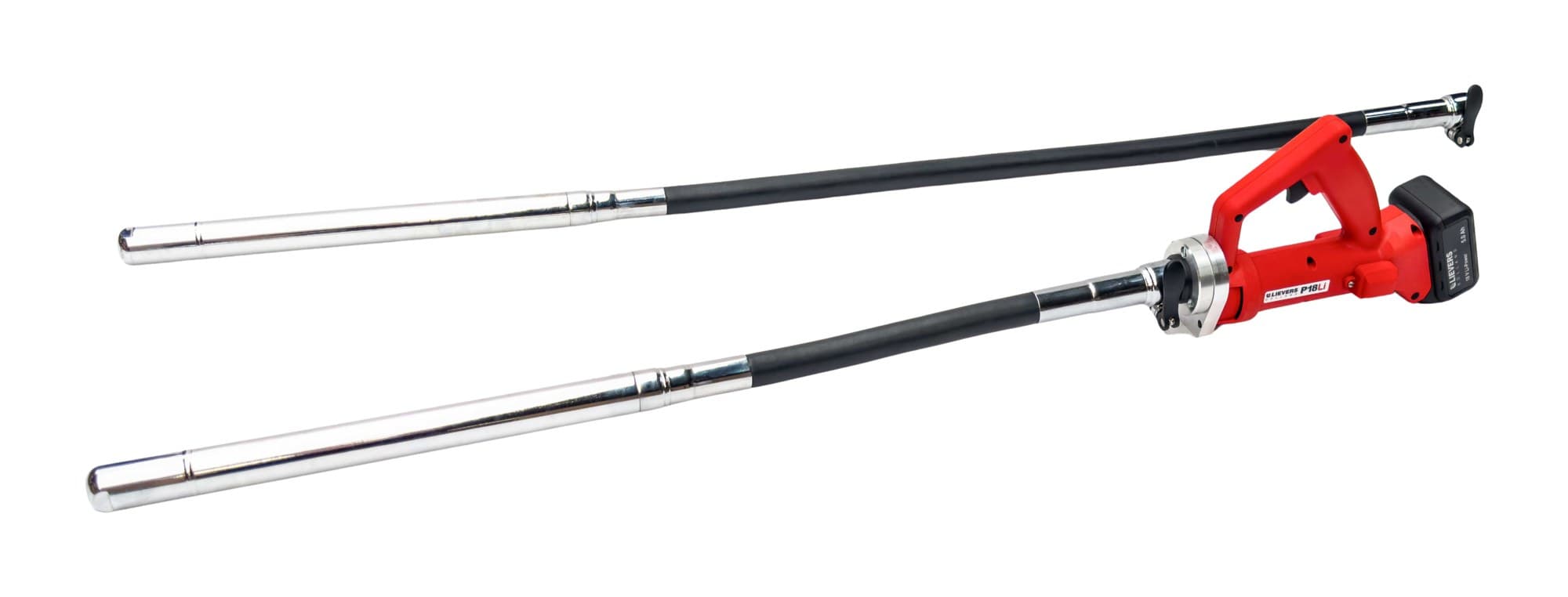
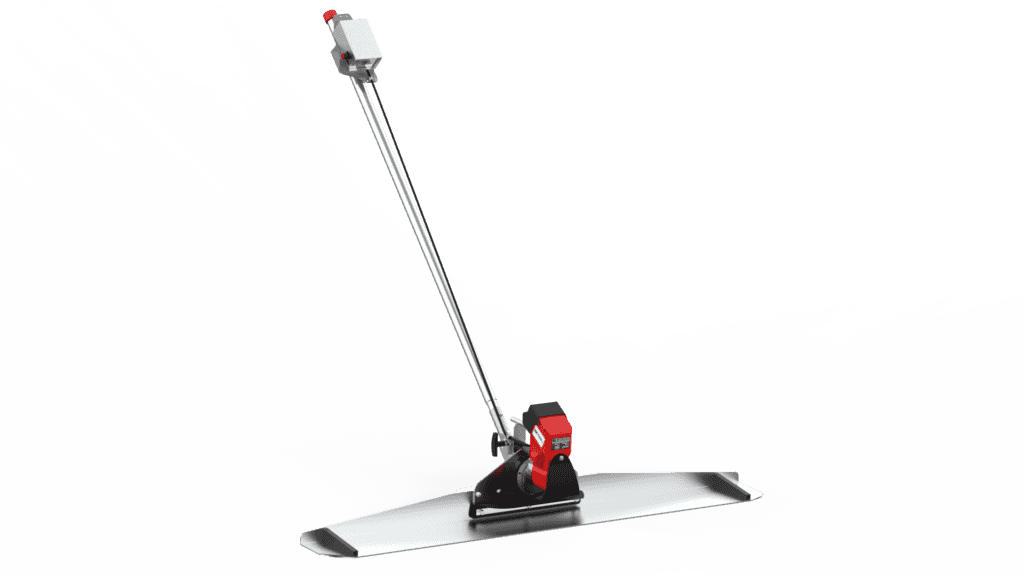
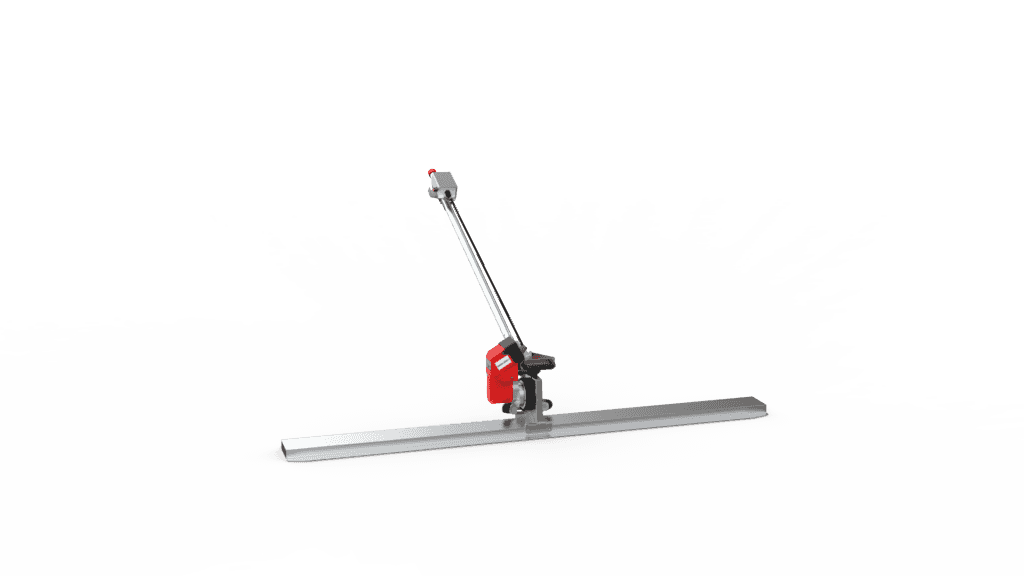
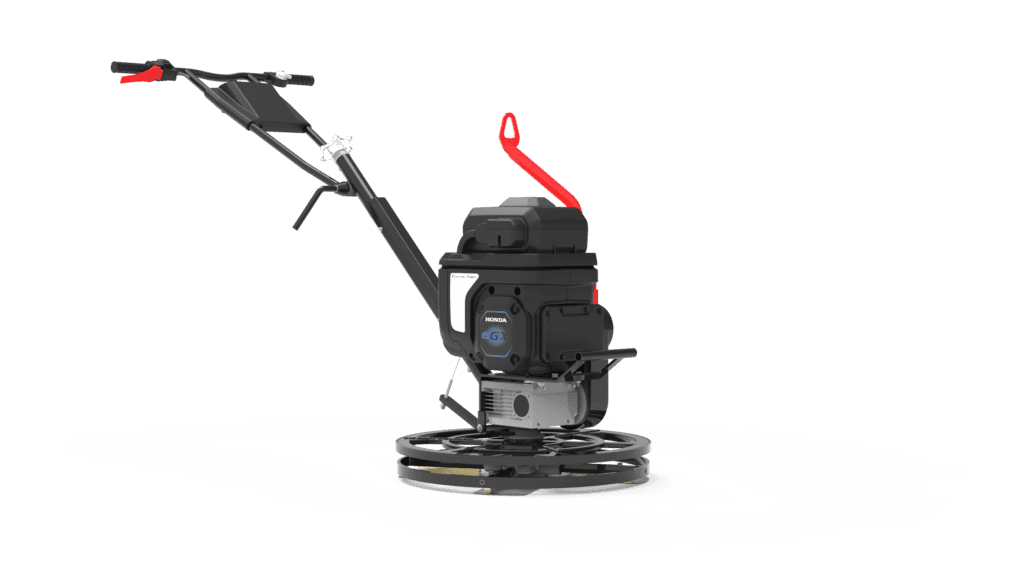
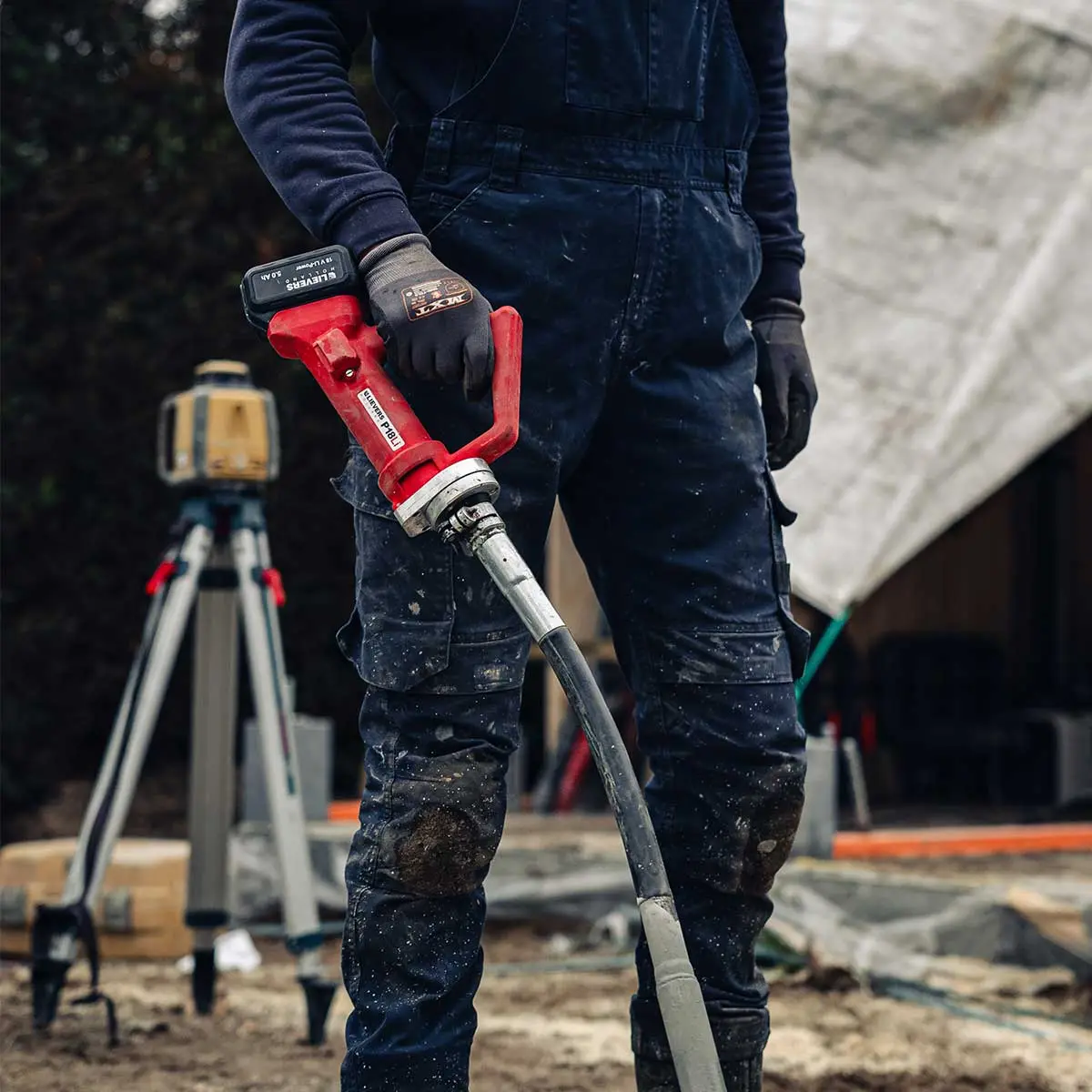
For concrete work specifically, the whole sequence can now be done on electric power. Lievers Holland — which has designed and built concrete compaction and finishing machinery in Mijdrecht, the Netherlands, since 1954 — offers a full battery-powered, zero-emission range with a machine for every stage: the P18Li battery poker vibrator for compaction, the K150Li and HAL200Li battery vibrating screeds for levelling, and the LTM eGX battery power trowel for finishing. All run without an engine, so all pass the point-of-use test.
Moving a crew onto an emission-free site is mostly logistics rather than technique. A few practical steps:
The payoff beyond compliance is real: no exhaust in enclosed spaces, much less noise, and no fuel to store or handle.
There is no single global definition of a zero-emission construction zone. The scope, the machine classes covered, the thresholds and the dates all vary by country and municipality, and they are still evolving. Treat the general principles here as orientation, and always confirm the exact requirements with the local authority or client for each project before you commit equipment.
Free advice
Our engineers in Mijdrecht think along about machine choice, concrete and planning — answer within one working day.
About the author
Lievers Holland has designed and manufactured concrete compaction and finishing machinery in Mijdrecht, the Netherlands, since 1954. Our guides are written by the same engineering team that builds the machines.
It is an area — a city district, a specific project, or an indoor space — where machinery that burns diesel or petrol is restricted or banned, and only equipment that produces no exhaust at the point of use is allowed. The goal is to cut local air pollution, noise and CO2, especially in dense urban and indoor settings. The exact boundaries and rules are set locally and vary from place to place.
Equipment that emits no combustion exhaust while it works — in practice, battery-electric and mains-electric tools. These have no engine and no tailpipe, so they release no CO2, NOx or particulates on site. Machines with a petrol or diesel engine generally do not qualify, even modern low-emission ones, because they still produce exhaust at the point of use. Always confirm against the specific project's requirements.
Yes, under the common "zero-emission at the point of use" test. A battery-electric machine produces no exhaust while operating, so it meets the requirement for an emission-free zone. How the electricity was generated upstream is a separate matter and is not what the zone rule measures. That is why a cordless battery poker vibrator or battery power trowel qualifies where a petrol equivalent does not.
'Emissieloos bouwen' is Dutch for 'emission-free building' — the policy direction in the Netherlands toward construction sites and equipment that produce no exhaust emissions at the point of use. Public clients and municipalities increasingly ask for emission-free machinery in tenders, and the expectation is being phased in over this decade. The precise scope and timing differ by authority and project, so check the specific requirements locally.
Replace combustion tools with battery-electric or mains-electric machines across the whole sequence — compaction, levelling and finishing — and plan the charging logistics around your pours. Carry spare battery packs so you can swap and keep working, keep a charger on a reliable supply, and schedule swaps at natural breaks. Lievers offers a battery machine for each stage, from the P18Li poker vibrator to the K150Li and HAL200Li screeds and the LTM eGX trowel, so a crew can run a full pour without an engine on site.
No. There is no single global definition of a zero-emission or emission-free construction zone. The scope, the machine classes covered, the thresholds and the start dates all vary by country and municipality, and they are still evolving. Treat the general principles as orientation and always confirm the exact requirements with the local authority or client before committing equipment to a project.
 Guide
GuideA buyer's guide comparing battery, petrol and mains-electric concrete equipment — what's driving the shift to cordless, where battery wins, where petrol or high-frequency mains still make sense, and how to choose by jobsite scenario.
Read articleHow-toA step-by-step guide to pouring and finishing concrete in enclosed and indoor spaces without engine fumes — why petrol and diesel tools are dangerous inside, and how battery-electric and air-driven equipment let you compact, level and finish a slab emission-free.
Read article