Zero emission
Lievers Holland builds a full range of battery-powered concrete machines — so you can compact, level and finish a slab from start to finish without a drop of petrol. Cordless and emission-free, they're made for zero-emission construction zones, indoor and enclosed pours, and noise-sensitive sites.
The jobsite is going electric, and not by choice alone. Across the Netherlands and the wider EU, emission-free construction zones are being phased in — the Dutch 'emissieloos bouwen' programme targets zero-emission sites well within this decade — and diesel and petrol equipment is increasingly restricted. Indoor and enclosed pours have always been a problem for combustion tools: a petrol engine produces carbon monoxide and exhaust that is dangerous in a closed space. Add tightening noise limits and growing attention to operator health, and battery power stops being a nice-to-have. Lievers' battery machines remove the exhaust, the sparks and the cord entirely — while delivering full jobsite performance.
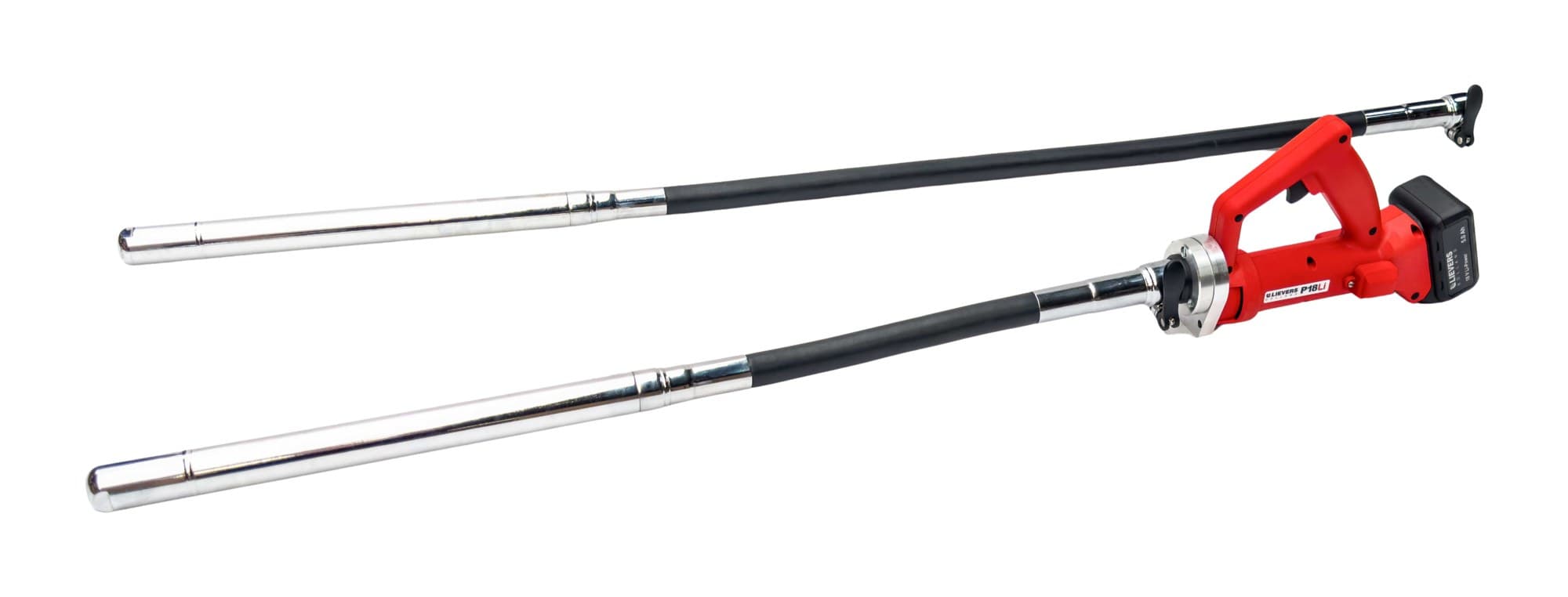
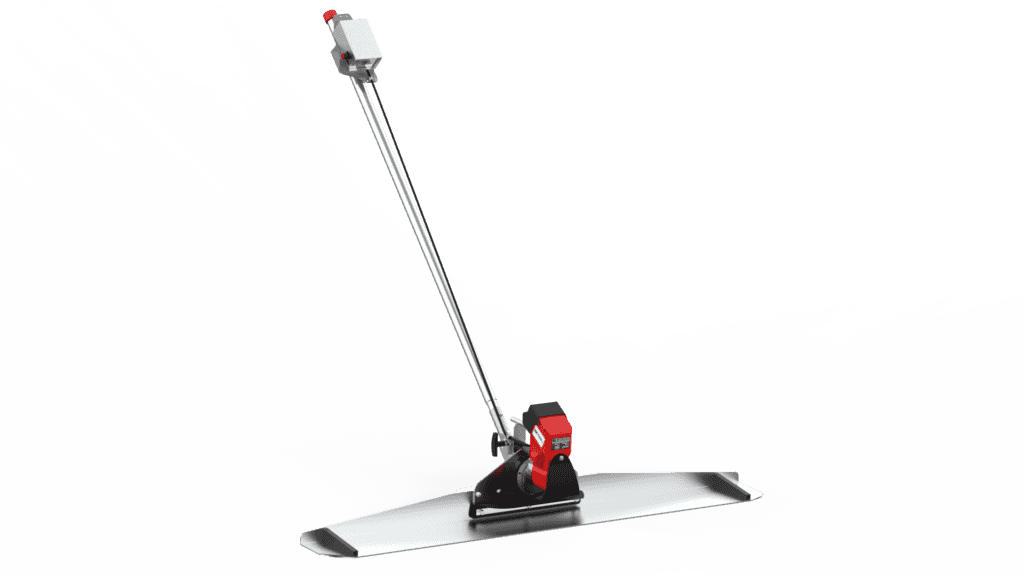
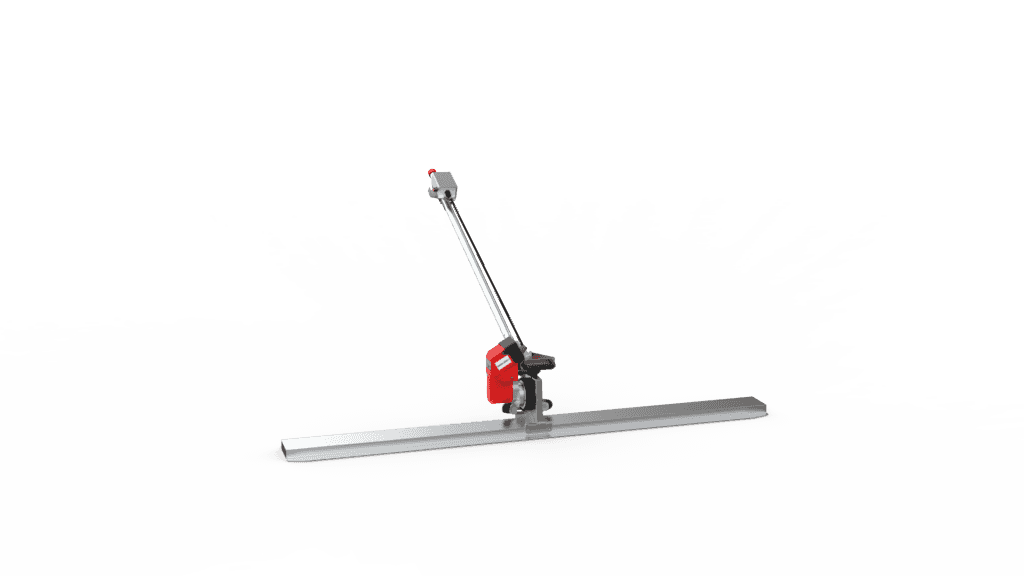
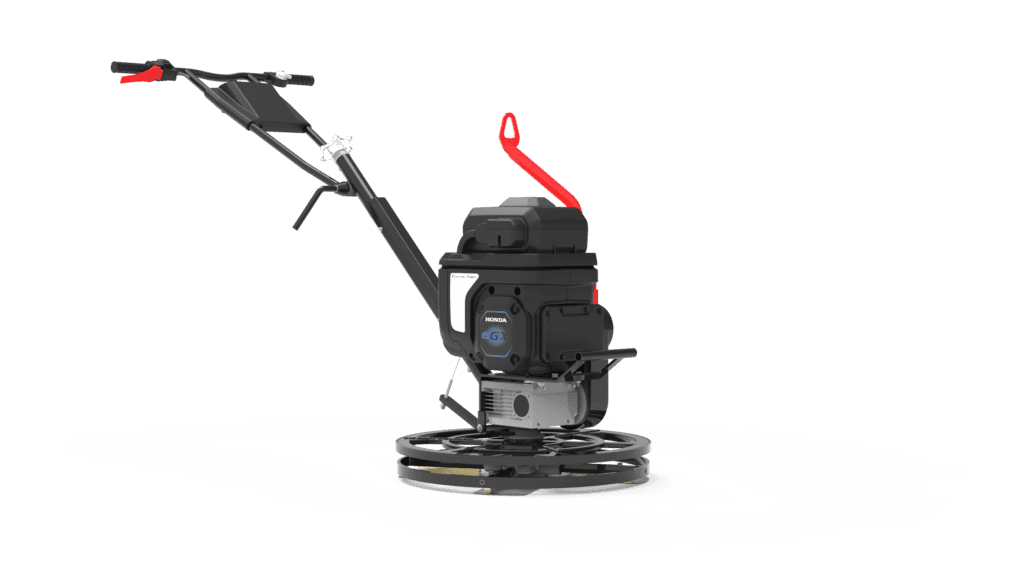
The strength of the range is that it covers the whole slab, petrol-free:
For spark- and emission-sensitive work there is also the air-driven LAP-45 power float: powered by compressed air, it produces no exhaust and no sparks, which suits explosion-risk and enclosed environments.
Battery machines shine where mobility, indoor air quality, noise and mains-free working matter: interiors, refurbishments, tunnels and car parks, sites with no power, and any zone with emission rules. For very long continuous pours you simply swap batteries, or pair a battery poker with a mains-powered high-frequency setup. We'll tell you honestly when a corded or high-frequency machine is the better fit — the goal is the right tool, not the trendy one.
 Guide
GuideA buyer's guide comparing battery, petrol and mains-electric concrete equipment — what's driving the shift to cordless, where battery wins, where petrol or high-frequency mains still make sense, and how to choose by jobsite scenario.
Read articleExplainerA plain-language guide to zero-emission and emission-free construction zones: what they are, why they are spreading, which equipment qualifies, and how a concrete crew can prepare with battery-electric machines.
Read articleHow-toA step-by-step guide to pouring and finishing concrete in enclosed and indoor spaces without engine fumes — why petrol and diesel tools are dangerous inside, and how battery-electric and air-driven equipment let you compact, level and finish a slab emission-free.
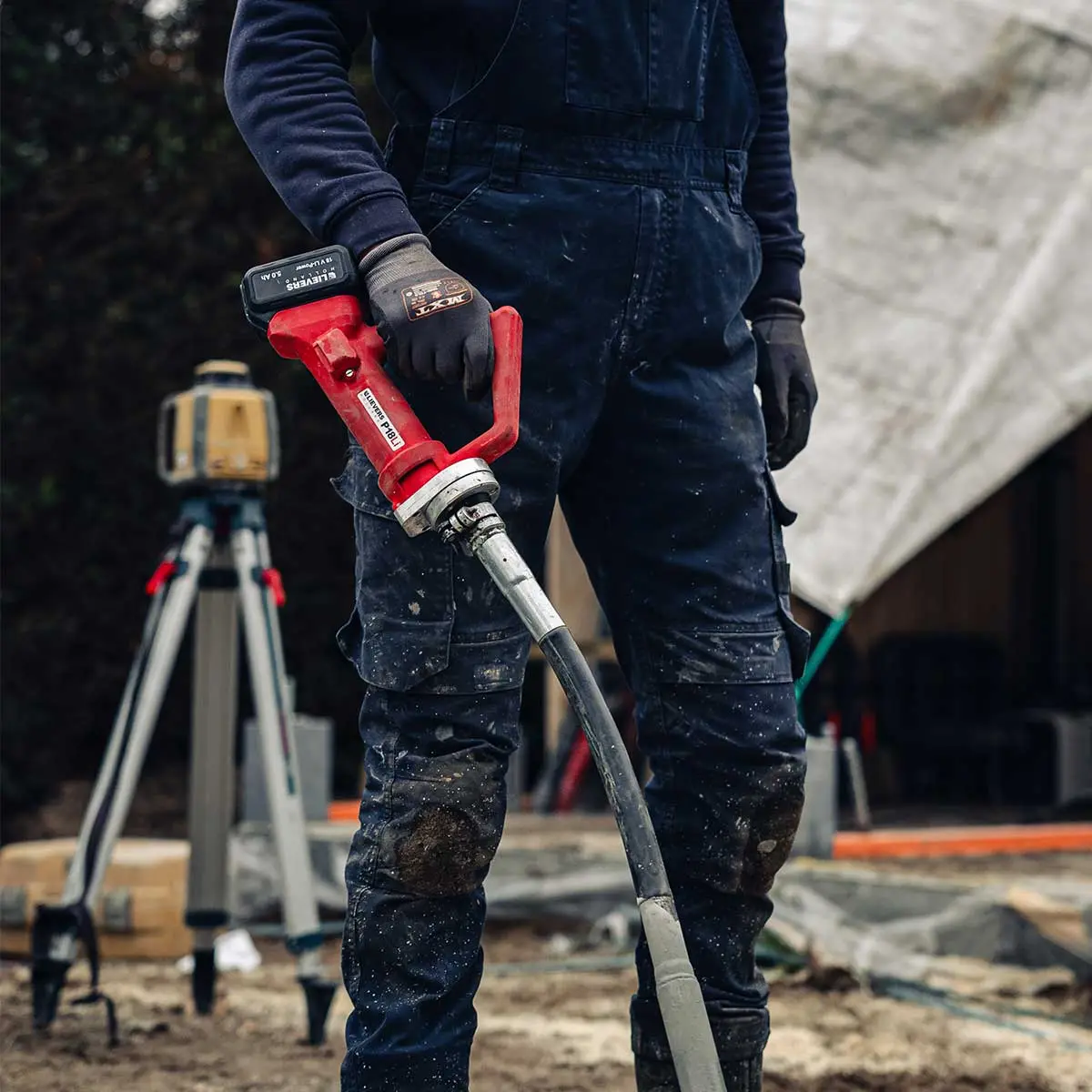
Read articleYes. A battery-powered poker vibrator such as the Lievers P18Li compacts concrete just like a petrol or mains machine — driving out trapped air at around 12,000 vibrations per minute — but with no cord, no exhaust and no sparks. For larger continuous pours you swap the battery or use a mains-powered high-frequency poker.
Lievers builds a battery machine for every stage of the pour: the P18Li poker vibrator for compaction, the K150Li and HAL200Li wet screeds for levelling, and the LTM eGX walk-behind power trowel for finishing. Together they let you pour, compact, level and finish a slab entirely petrol-free.
Yes — that is exactly what they are built for. Battery-powered machines produce no exhaust emissions at the point of use, so they meet the requirements of emission-free construction zones (such as the Dutch 'emissieloos bouwen' rules) where diesel and petrol equipment is restricted.
It depends on the machine and battery. The P18Li poker, for example, runs around 45 minutes of compaction on a 5 Ah battery and recharges in roughly an hour, so a spare battery keeps you working continuously. Screeds and trowels vary with load — ask us for the runtime that matches your job.
Yes, and it is one of their biggest advantages. With no petrol engine there is no carbon monoxide or exhaust, so battery machines are safe for indoor and enclosed pours where combustion tools are hazardous — and they are quieter, which helps with noise limits and operator comfort.
For the work these machines do, yes. Lievers' battery poker, screeds and trowel deliver the compaction and finishing performance of their corded and petrol equivalents. The practical difference is runtime rather than power: for very long continuous pours you swap batteries or choose a mains-powered machine.